

What Is Gender Affirming Hormone Therapy?
Gender Affirming Hormone Therapy (GAHT) is a medical treatment used to help individuals transition by altering their secondary sexual characteristics to match their gender identity. It typically involves the use of estrogen or testosterone to promote the development of physical traits aligned with one's gender expression. Estrogen is often used for feminization (such as breast development, skin softening, and redistribution of fat), while testosterone is used for masculinization (such as increased muscle mass, deeper voice, and facial hair growth). At Ione Medical, our experienced team will guide you through the process with a thorough evaluation, careful monitoring, and regular follow-ups to ensure your treatment is safe and effective.
How Gender Affirming Hormone Therapy Works
The process of Gender Affirming Hormone Therapy (GAHT) at Ione Medical begins with a comprehensive consultation with a healthcare provider who specializes in transgender health. During this appointment, we review your medical history, discuss your goals for transitioning, and address any concerns you may have. Lab work and a physical exam may be conducted to assess your current hormone levels and overall health. Once we have a complete picture, we prescribe the appropriate hormone therapy, which may include estrogen or testosterone, based on your goals for feminization or masculinization.
Hormone therapy typically involves weekly or monthly injections (for testosterone) or oral or topical estrogen (for feminization). Dosages are personalized, and regular follow-up appointments are scheduled to monitor hormone levels and assess any side effects or concerns. Over time, physical changes will begin to occur, such as the development of facial hair or breast growth, depending on the type of therapy prescribed.
Conditions Treated with Gender Affirming Hormone Therapy
Gender Affirming Hormone Therapy can address the following conditions related to gender dysphoria, supporting the transition process:
- Gender Dysphoria
- Transgender and Nonbinary Transitions
- Lack of sexual characteristics aligned with gender identity
- Emotional distress related to gender incongruence
- Need for physical changes to support gender expression
Who Is a Good Candidate for Gender Affirming Hormone Therapy (GAHT)?
GAHT is designed for individuals who are seeking to align their physical traits with their gender identity and have met specific psychological and medical criteria. It is suitable for adults and, in some cases, adolescents who have completed puberty and have a desire for gender-affirming physical changes. A comprehensive evaluation is required to ensure suitability for hormone therapy.
Good candidates for GAHT include:
- Adults or adolescents (with parental consent) seeking physical changes aligned with their gender identity
- Individuals diagnosed with gender dysphoria or experiencing distress due to gender incongruence
- People ready for the potential physical and emotional effects of hormone therapy
- Those committed to regular monitoring and follow-up with a healthcare provider
TED Before & After Gallery
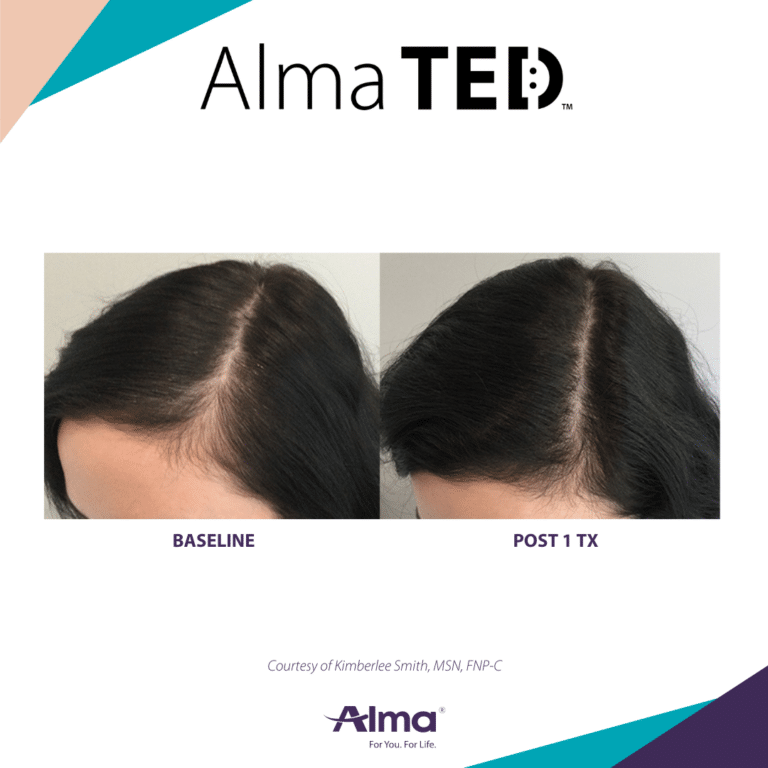
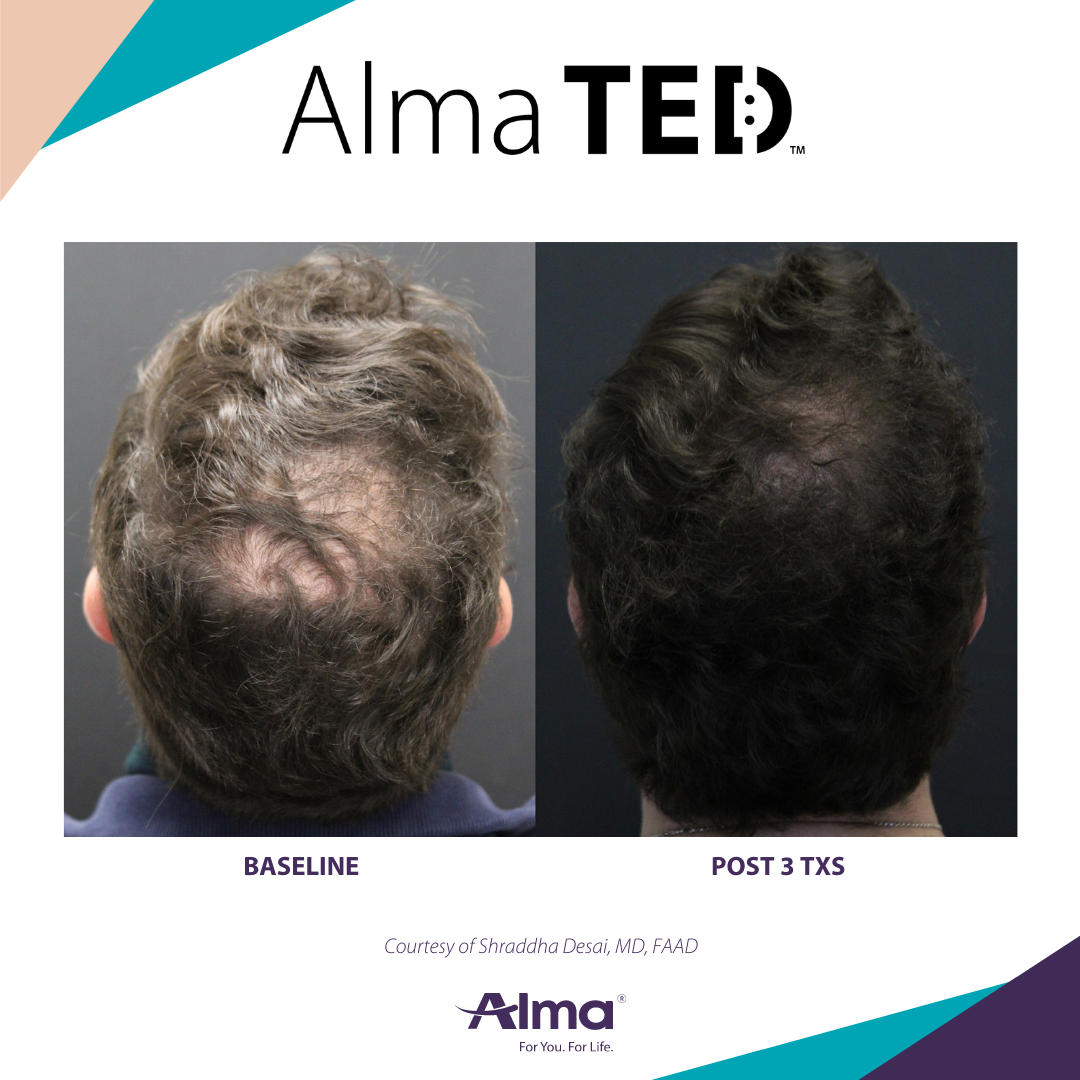
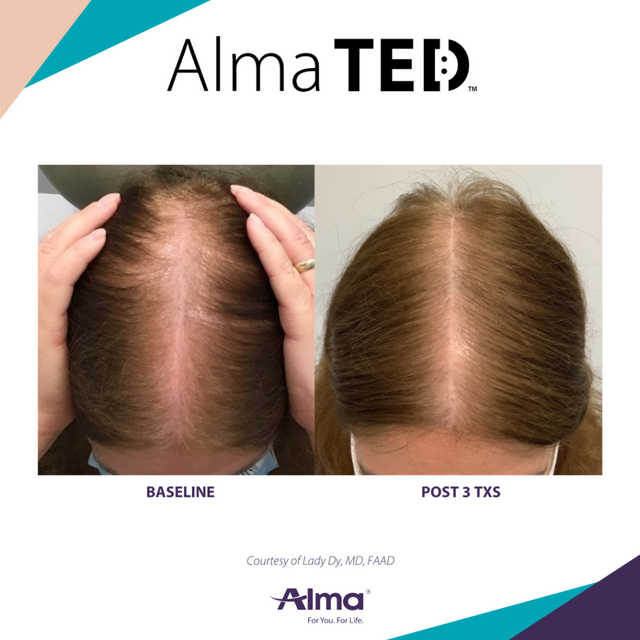
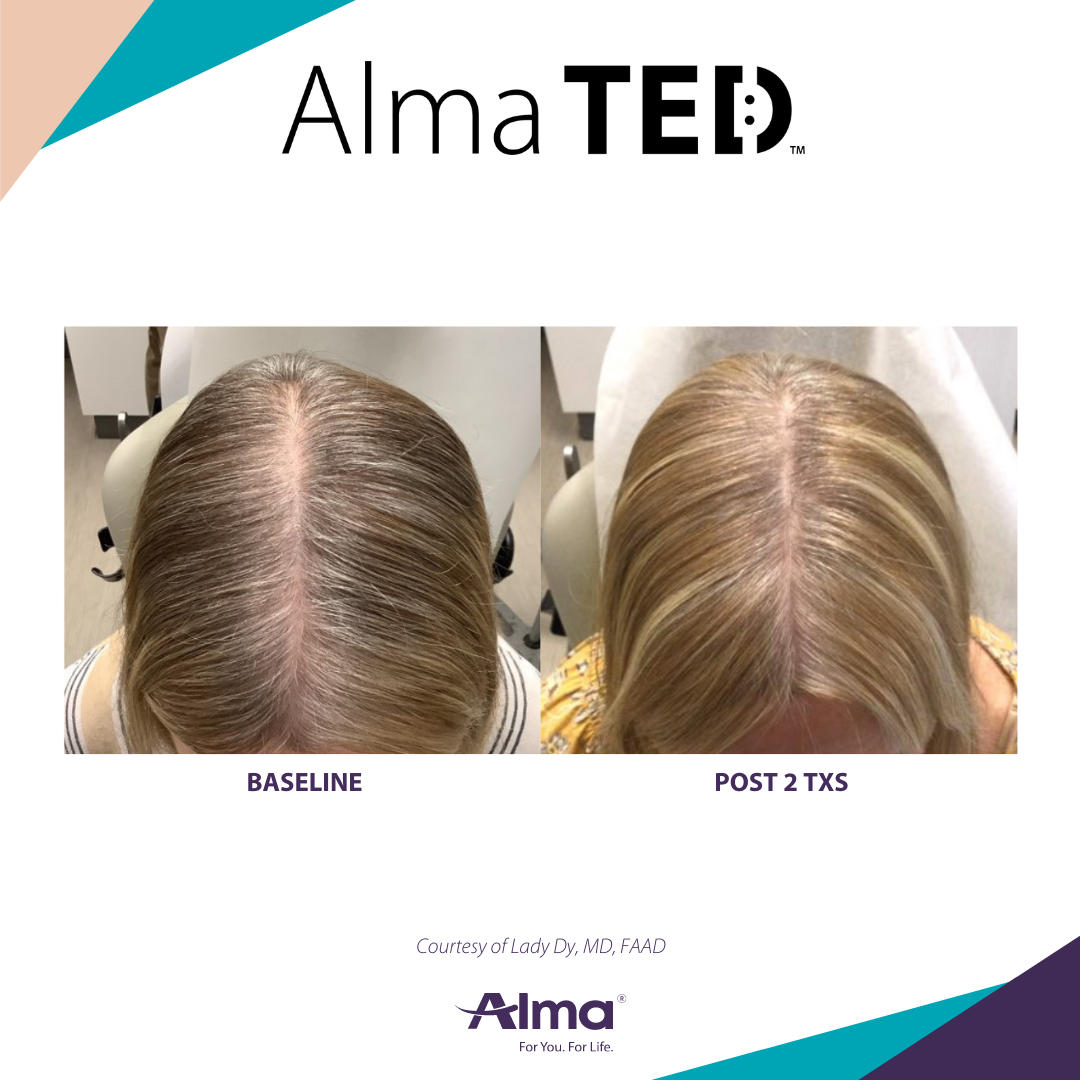
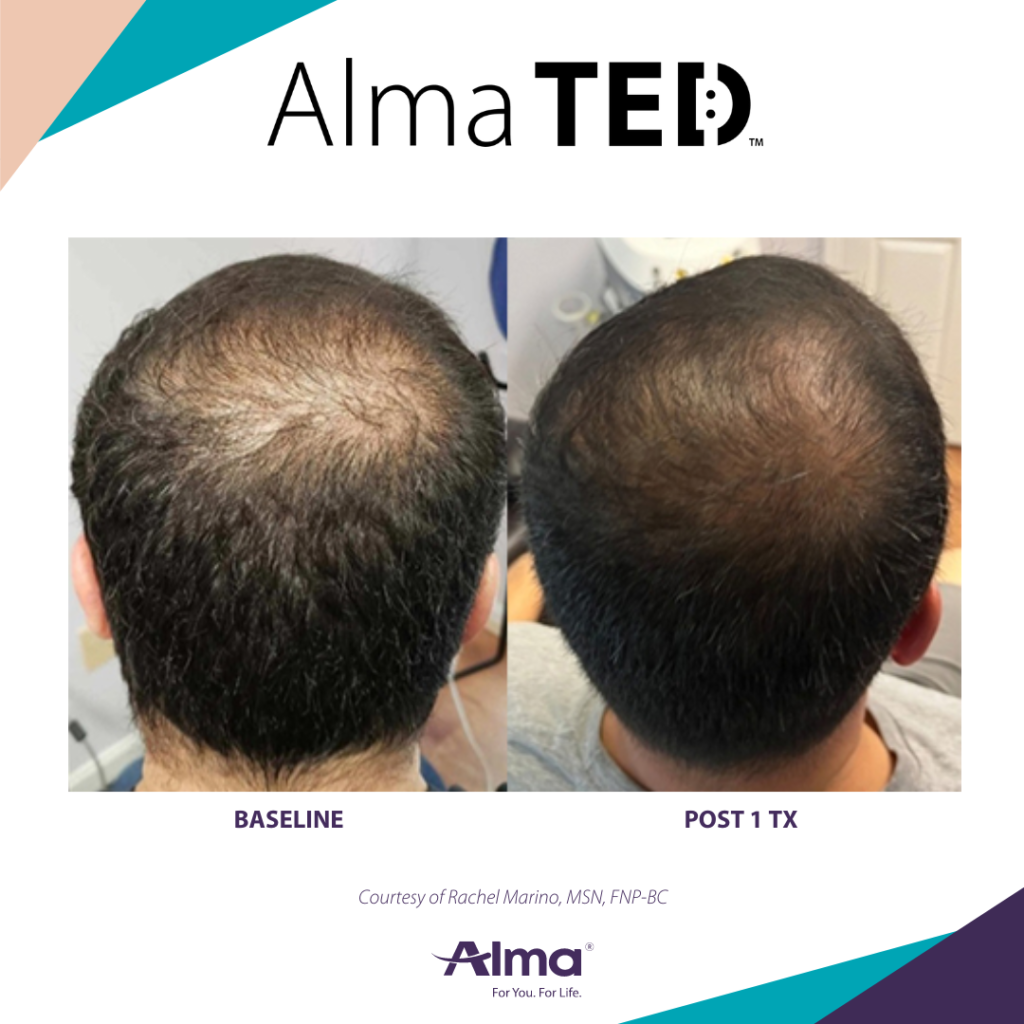
Gender Affirming Hormone Therapy offers physical, emotional, and psychological benefits, helping individuals feel more aligned with their true gender identity.