

What Are Anxiety & Depression?
Anxiety and depression are two of the most common mental health conditions that can affect anyone, regardless of age or background. Anxiety is characterized by constant worry, fear, or unease that can interfere with daily activities. It may cause symptoms like restlessness, irritability, difficulty concentrating, and physical symptoms such as a racing heart or shortness of breath. On the other hand, depression involves persistent feelings of sadness, hopelessness, and a lack of interest in activities once enjoyed. It can lead to fatigue, changes in appetite, sleep disturbances, and feelings of worthlessness.
At Ione Medical, we take a holistic approach to treating anxiety and depression, focusing on both the emotional and physical aspects of these conditions. By understanding the root causes, whether they are biological, psychological, or environmental, we develop customized treatment plans that offer relief and long-term mental well-being.
How Anxiety & Depression Develop
Treating anxiety and depression at Ione Medical begins with a comprehensive assessment. We take the time to understand your symptoms, medical history, lifestyle, and emotional well-being. Based on this evaluation, we develop a personalized treatment plan that may include a combination of:
- Psychotherapy (Cognitive Behavioral Therapy - CBT): To address negative thought patterns and teach coping strategies.
- Medications (Antidepressants or Anxiolytics): To help manage symptoms by restoring the balance of chemicals in the brain.
- Lifestyle Modifications: Nutrition, exercise, and sleep hygiene recommendations to support emotional health.
- Mindfulness and Stress-Reduction Techniques: Meditation, yoga, and relaxation techniques to manage anxiety and promote relaxation.
- Holistic Therapies: Acupuncture or other integrative approaches, as needed.
Regular follow-up visits help us assess your progress, adjust treatments, and provide ongoing support for long-term healing.
Conditions Treated with Anxiety and Depression Therapy
Anxiety and depression can be triggered by a variety of factors, including life events, genetics, or chemical imbalances. Our approach addresses both the symptoms and the underlying causes of these conditions.
Common conditions treated include:
- Generalized Anxiety Disorder (GAD)
- Social Anxiety Disorder
- Panic Disorder
- Post-Traumatic Stress Disorder (PTSD)
- Major Depressive Disorder
- Persistent Depressive Disorder (Dysthymia)
- Seasonal Affective Disorder (SAD)
- Stress-related conditions
- Co-occurring disorders (anxiety and depression together)
Who Is a Good Candidate for Anxiety & Depression Treatment?
Anyone experiencing symptoms of anxiety or depression that interfere with their daily life can benefit from treatment. Whether you’ve been struggling for a short period or for many years, we’re here to help.
Good candidates for anxiety and depression treatment include:
- Individuals struggling with persistent worry, fear, sadness, or hopelessness
- People experiencing physical symptoms such as fatigue, trouble sleeping, or loss of interest in activities
- Those who are finding it difficult to manage stress or cope with life changes
- Anyone experiencing mood swings, irritability, or a sense of overwhelm
- Individuals looking for personalized, non-judgmental care to support emotional well-being and mental health
TED Before & After Gallery
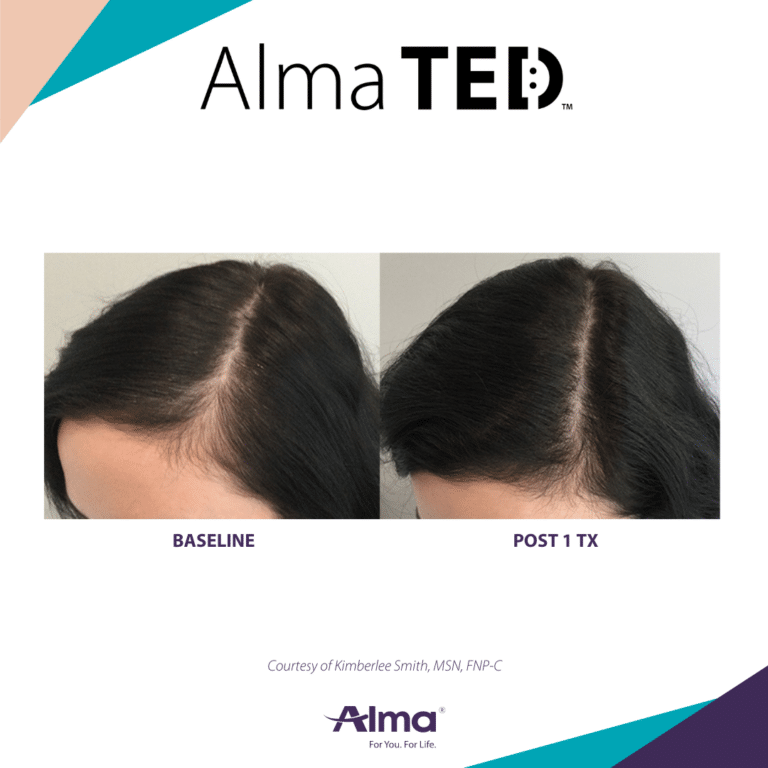
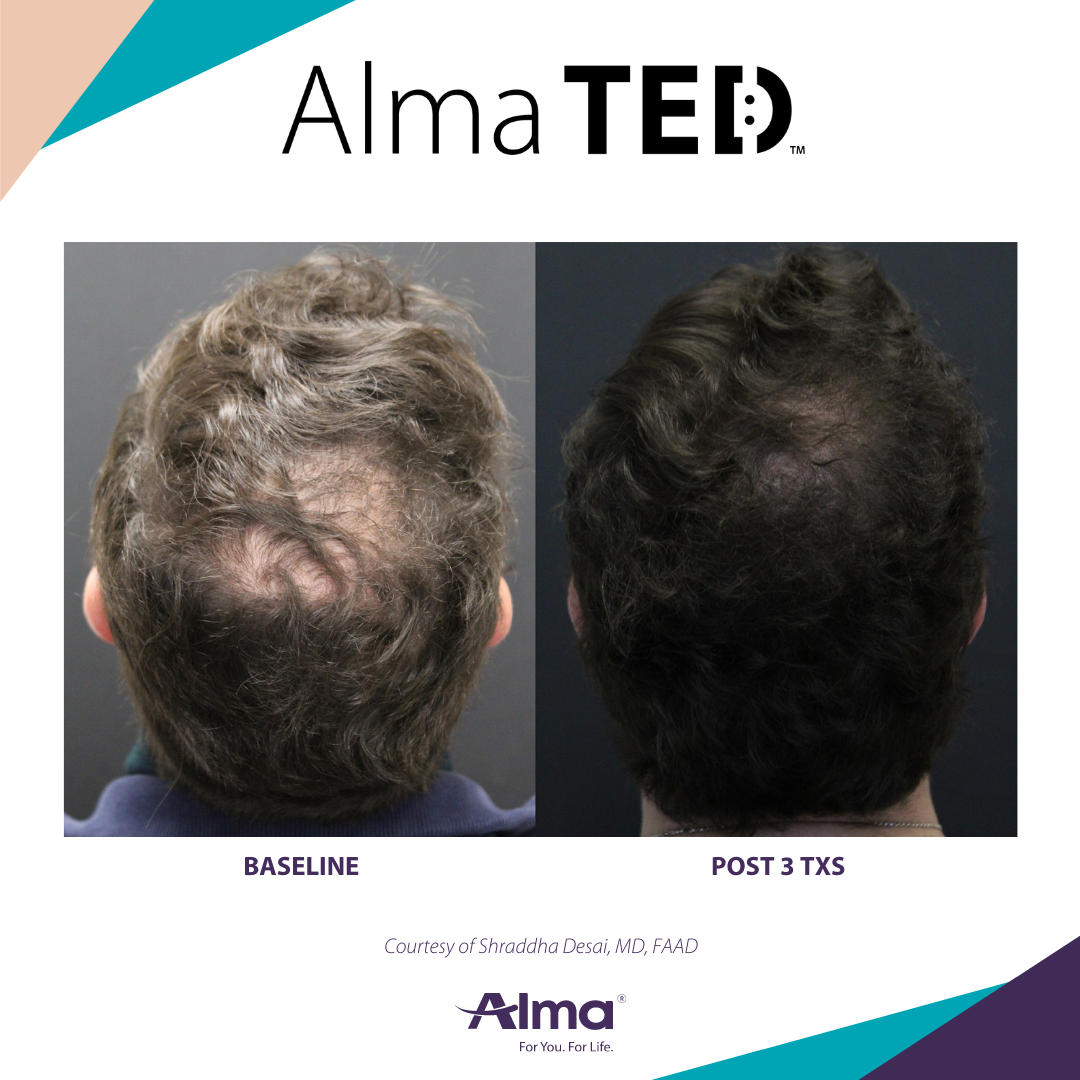
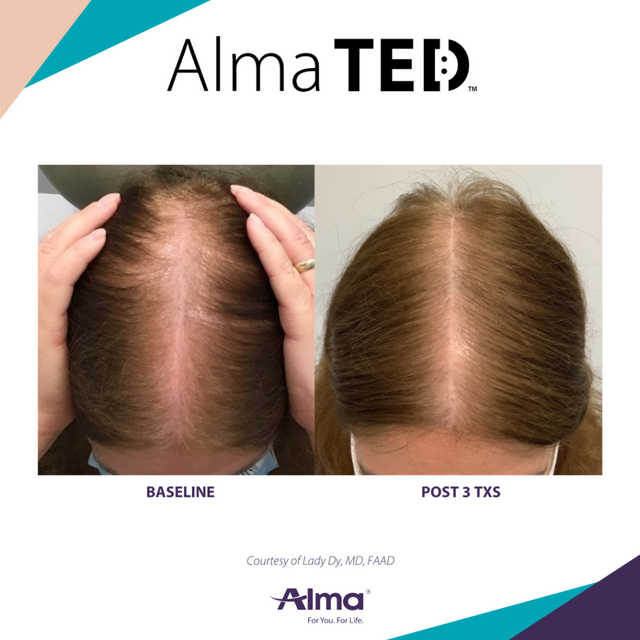
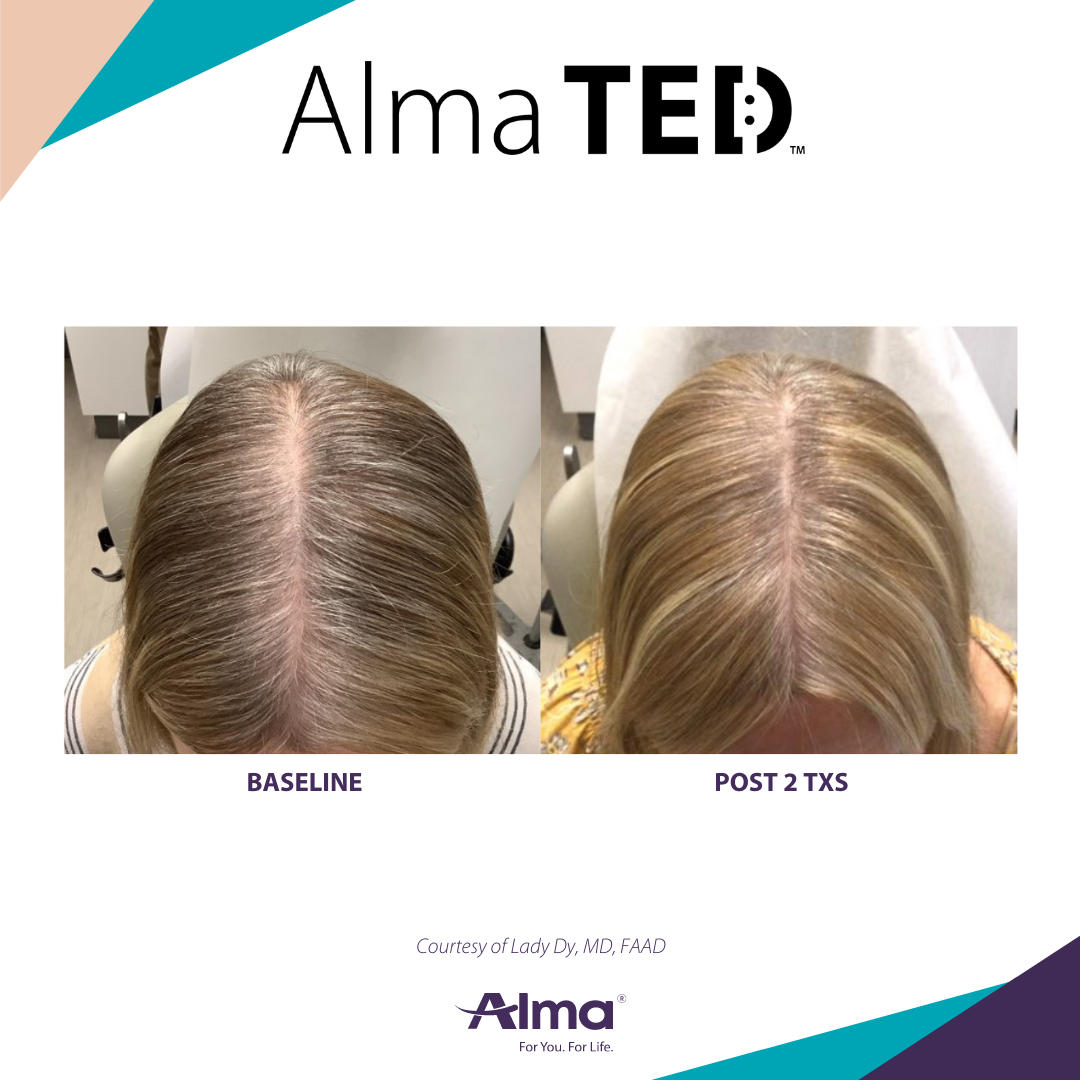
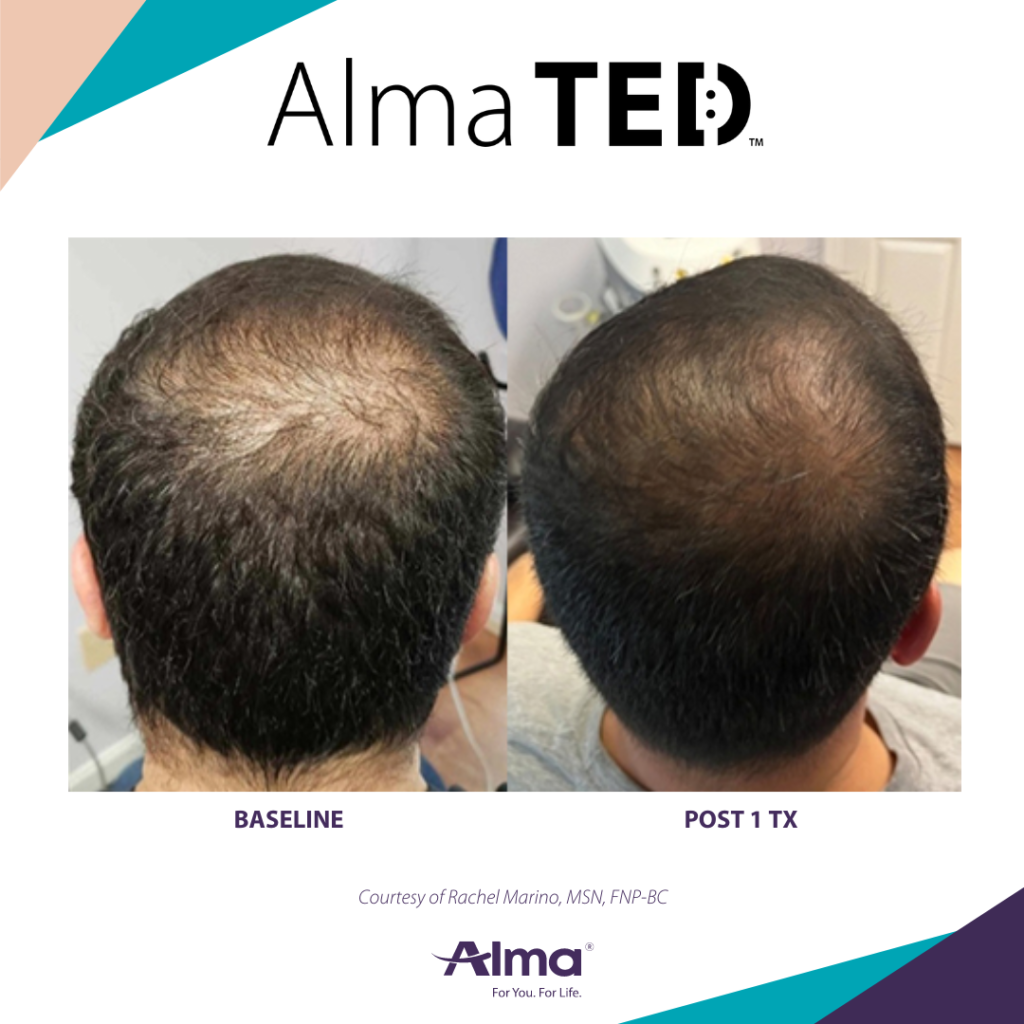
Managing anxiety and depression effectively can significantly improve your emotional and physical well-being, restoring your ability to engage in and enjoy life.