

What Is Bioidentical Hormone Pellet Therapy?
Bioidentical Hormone Pellet Therapy (BHRT) involves the use of small, custom-compounded pellets containing hormones that are structurally identical to those your body naturally produces. These pellets are implanted just under the skin, where they steadily release hormones over time, providing consistent hormone levels and minimising fluctuations. The hormones used in pellet therapy are often derived from natural sources, such as plants, and mimic the body’s own hormones, providing a more natural and balanced solution compared to traditional synthetic hormone replacement therapies.
At Ione Medical, we specialize in the use of bioidentical hormone pellets to help restore hormone balance and support overall health. Pellet therapy is particularly effective for individuals experiencing hormonal disruptions due to menopause, andropause, or other hormone-related conditions.
How Bioidentical Hormone Pellet Therapy Works
The process of Bioidentical Hormone Pellet Therapy begins with a comprehensive consultation, including a thorough evaluation of your health history, symptoms, and lab work to assess your hormone levels. Based on these results, our healthcare providers determine the appropriate dosage and hormone combination. The bioidentical hormone pellets are then implanted just under the skin, usually in the hip or buttocks area.
The pellets release a consistent, low dose of hormones over a period of 3–6 months, helping to maintain steady hormone levels without the peaks and valleys that can come with other forms of hormone therapy like pills or creams. As a result, patients experience more stable moods, better energy levels, improved libido, and overall wellness. Regular follow-up visits ensure the therapy is effective, and adjustments are made as needed based on your response.
Conditions Treated with Bioidentical Hormone Pellet Therapy
Bioidentical Hormone Pellet Therapy can treat a variety of hormone imbalances that affect both men and women.
Common conditions treated with BHRT include:
- Menopause and perimenopause
- Andropause (male menopause)
- Low libido or sexual dysfunction
- Hormonal imbalances related to aging
- Fatigue and decreased energy levels
- Hot flashes and night sweats
- Mood swings and irritability
- Sleep disturbances
- Bone density loss and osteoporosis prevention
- Weight gain due to hormonal imbalances
Who Is a Good Candidate for Bioidentical Hormone Pellet Therapy?
Bioidentical Hormone Pellet Therapy is an excellent treatment option for individuals who are experiencing symptoms of hormone imbalance due to ageing or other medical factors. It’s ideal for those seeking a consistent and effective way to restore hormone levels and improve overall well-being.
Good candidates for BHRT include:
- Men and women experiencing symptoms of menopause or andropause
- Individuals with low energy, fatigue, or irritability related to hormone imbalances
- Those seeking to improve sexual function and libido
- People with hormone-related weight gain or difficulty losing weight
- Patients with a history of hormone-related health issues, such as osteoporosis or low bone density
- Individuals looking for a more natural alternative to synthetic hormone replacement therapy
TED Before & After Gallery
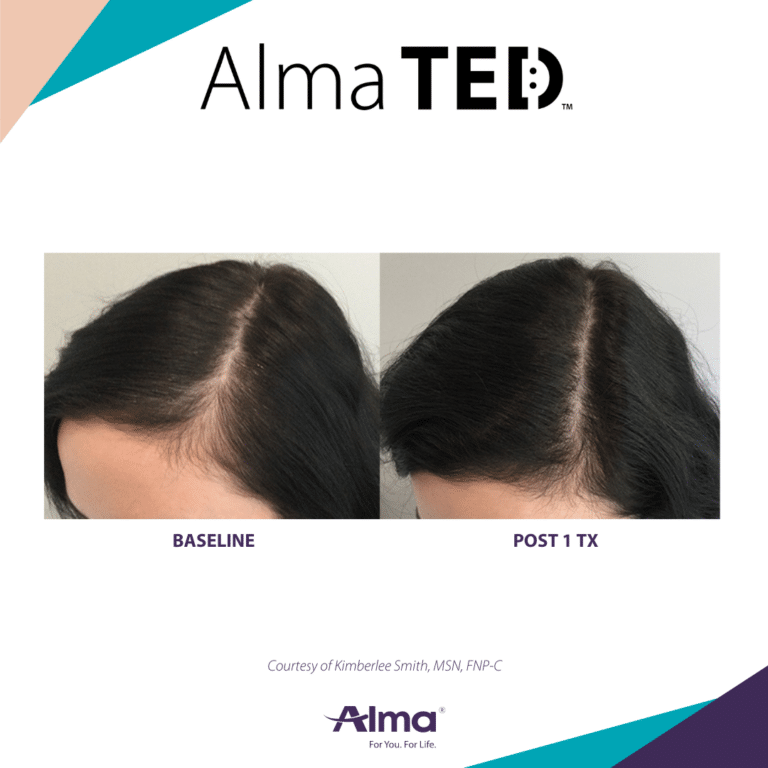
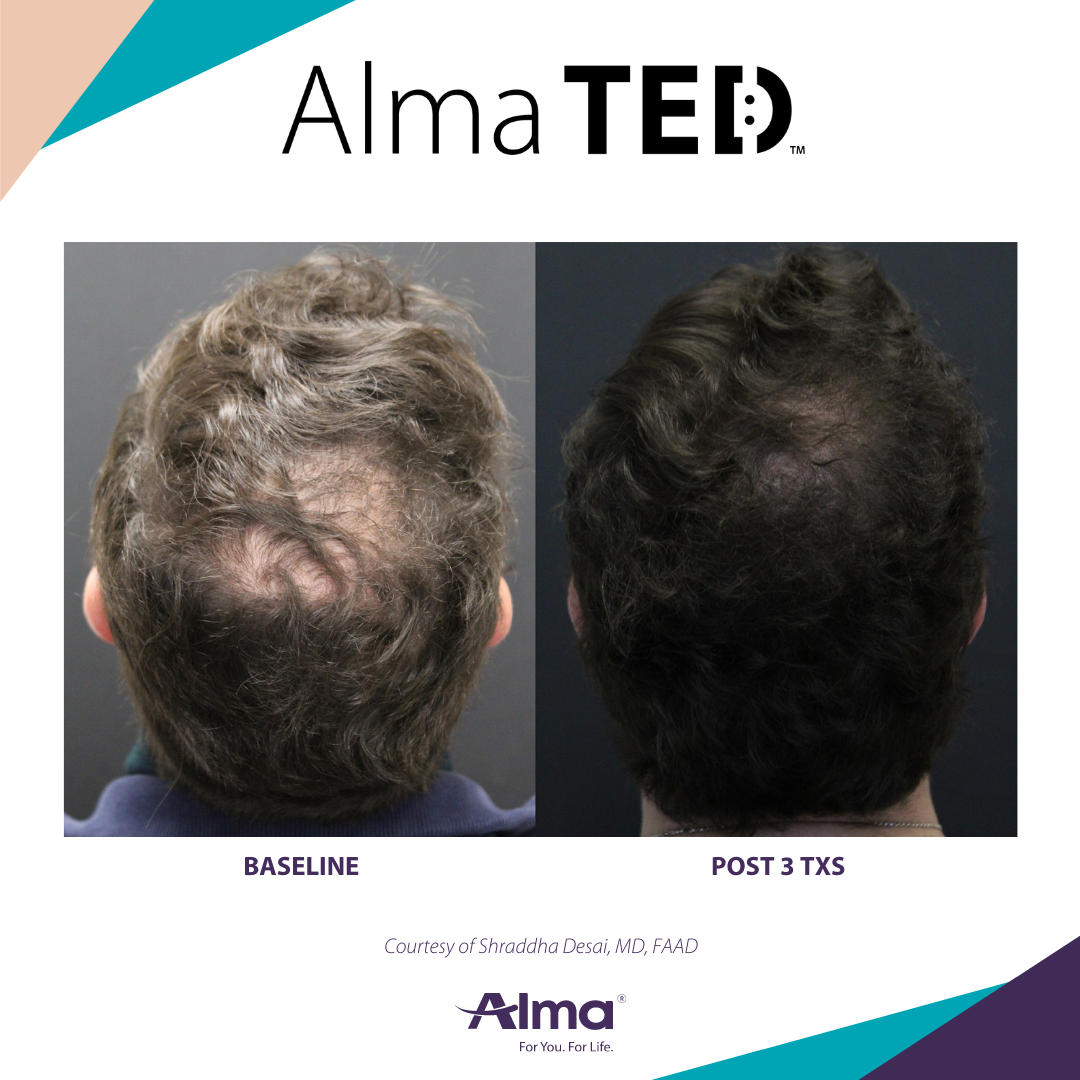
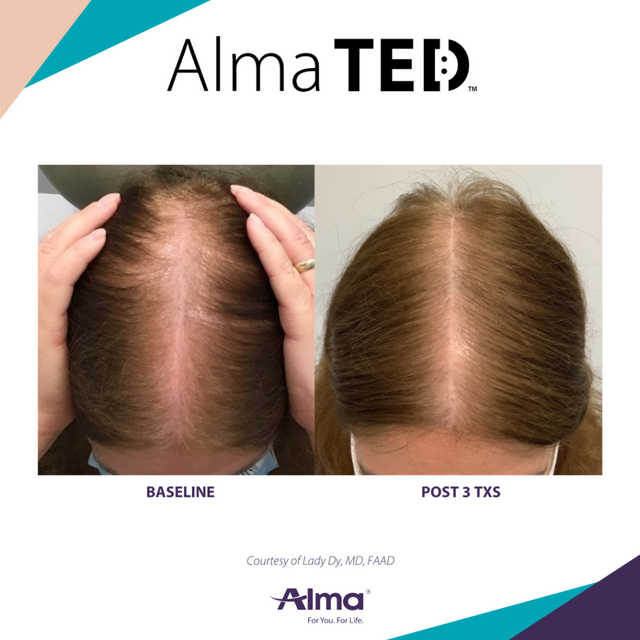
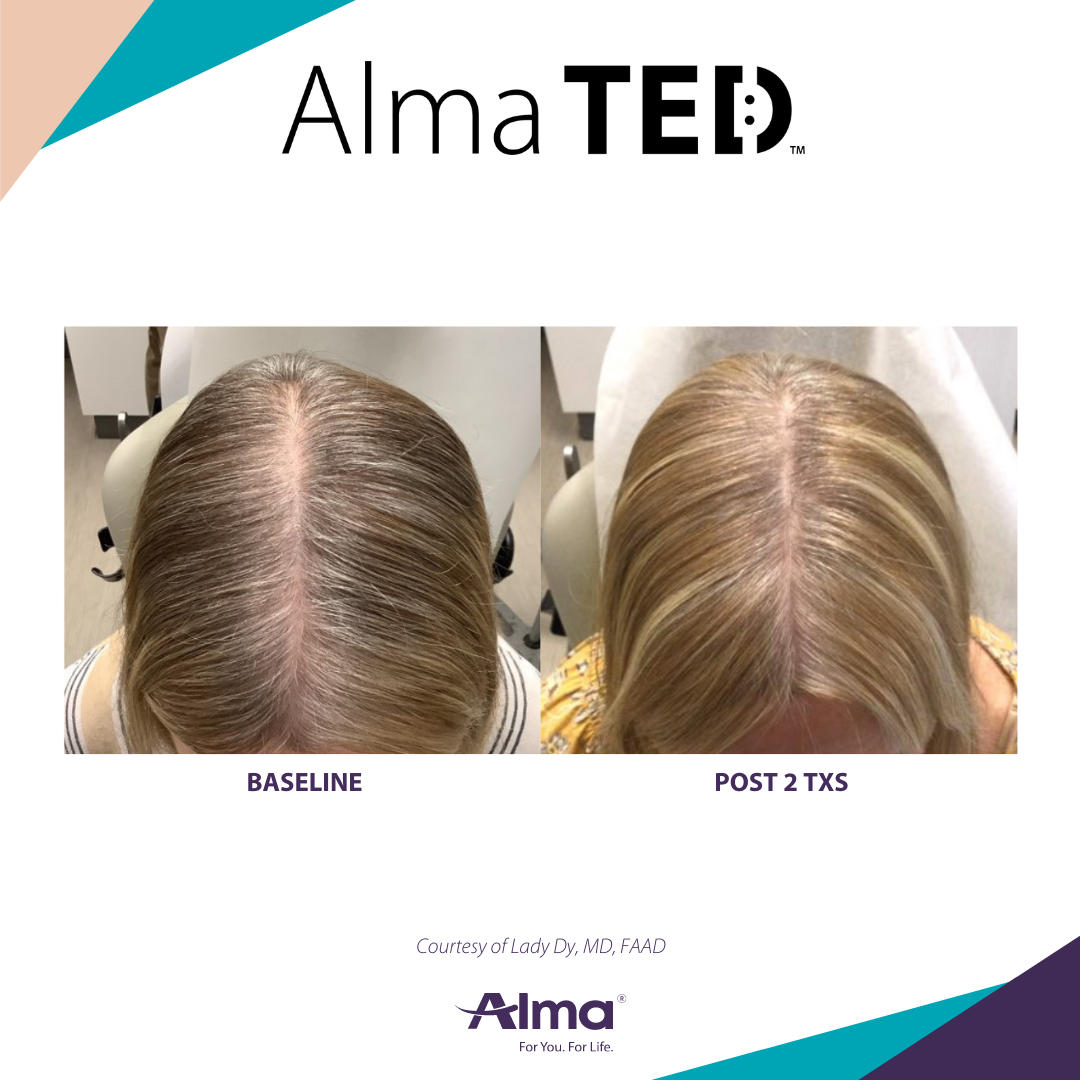
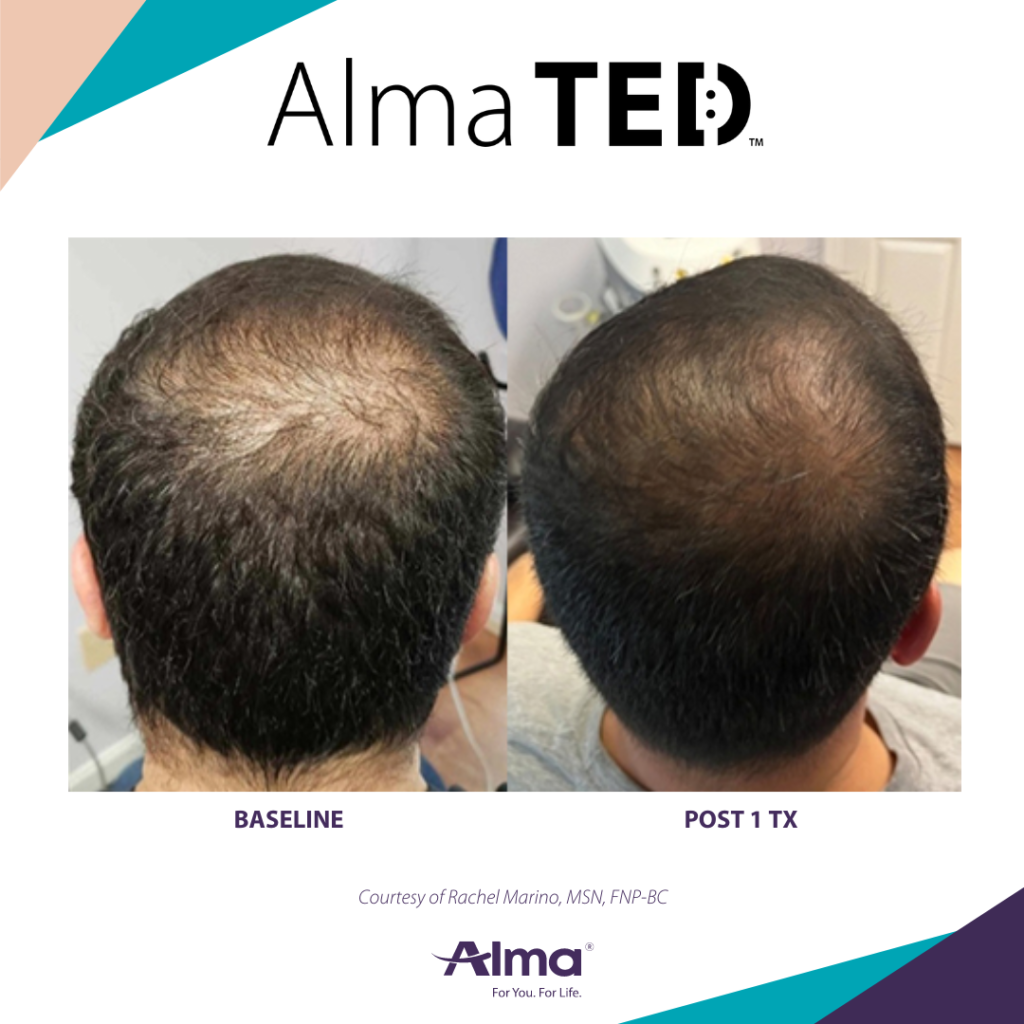
Bioidentical Hormone Pellet Therapy provides a natural, steady solution for hormone replacement, offering numerous physical and emotional benefits.